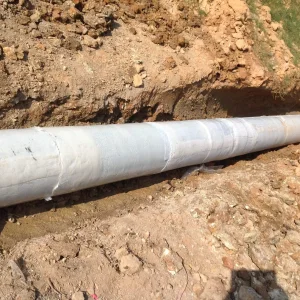
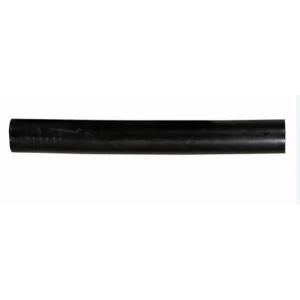
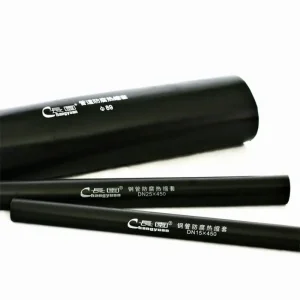
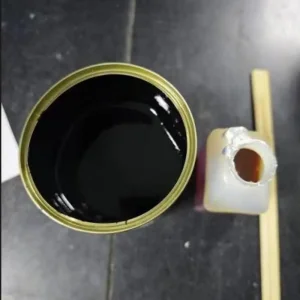
Engineered for direct deployment in Sarajevo’s industrial infrastructure, oil & gas lines, and municipal pipeline rehabilitation projects.
The Canton of Sarajevo and the surrounding Western Balkans region represent a critical nexus of energy transportation networks, riverine infrastructure, hydro-electric power generation facilities, and municipal utility modernization projects. As Bosnia and Herzegovina intensifies its integration into European energy hubs and advances major logistics arteries—most notably the Pan-European Corridor Vc connecting the Adriatic Port of Ploče through Sarajevo toward Budapest—the requirement for long-term, high-integrity corrosion protection solutions has reached an unprecedented scale.
Technical Reality: Pipeline assets navigating the Dinaric Alps and Sarajevo’s valley basin encounter aggressive microclimates. Micro-environmental factors include acidic soil compositions, subterranean moisture variation, high freeze-thaw frequency, and complex atmospheric classification (C3 to C5 industrial environment corrosion parameters under ISO 12944).
Industrial corrosion protection within Sarajevo cannot rely on generic, off-the-shelf liquid coatings. Buried gas interconnectors, municipal water distribution pipelines, and industrial chemical transportation networks face a distinct combination of mechanical stress and biochemical aggressiveness:
Heavy clay and rocky mountainous terrain exert extreme shear stress on buried linepipe coatings during backfilling and seasonal thermal expansion cycles.
Industrial river basin humic acids combined with de-icing chemicals in urban Sarajevo create aggressive local electrolyte channels that accelerate micro-pitting.
Inadequate field joint coatings can act as electrical shields, blocking Cathodic Protection (CP) currents from reaching bare steel when moisture penetrates damaged film layers.
To mitigate these destructive vectors, procurement authorities, EPC contractors, and pipeline operators across Sarajevo and Eastern Europe are transitioning to advanced multi-layer systems. These include 3-Layer Polyethylene (3LPE), 3-Layer Polypropylene (3LPP) repair materials, Visco-Elastic self-healing amorphous polymers, and photo-curing Glass Reinforced Plastics (GRP).
Comparative physical, mechanical, and electrochemical analysis of CYCT pipeline repair and joint protection systems under ISO 21809-3 and EN 12068 standards.
| Material Category | Primary Technology Base | Operating Temp Range (°C) | Cathodic Disbondment Resistance | Trenchless (HDD) Suitability | ISO / EN Standard Compliance |
|---|---|---|---|---|---|
| Visco-Elastic Putty & Tape | Non-crystalline amorphous polyolefin | -45°C to +95°C | Self-Healing / 0 mm disbondment | Requires GRP Outer Wrap | ISO 21809-3 Type 6A / EN 12068 Class C |
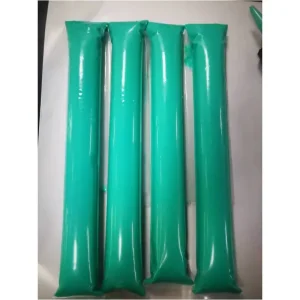
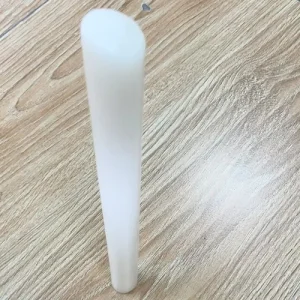
| PP Repair Patches & Sticks | Modified polypropylene hot-melt compound | -20°C to +110°C | < 5 mm at 23°C (28 days) | High mechanical resistance | ISO 21809-3 Type 5C |
| Photo-Curing GRP Sleeve | UV/Solar photo-polymerized resin glass sheet | -50°C to +160°C | N/A (Mechanical Armor Layer) | Superior (Shore D > 85) | ASTM D2583 / ISO 14125 |
| Cross-Linked Heat Shrink Sleeves | Radiation cross-linked PE + Mastic / Visco adhesive | -30°C to +85°C | < 8 mm at 65°C | Moderate to High | ISO 21809-3 Type 1E/2B |
| Solvent-Free Epoxy Primer | 100% solids 2-component liquid epoxy | -40°C to +120°C | < 3 mm disbondment radius | Primer base layer | NACE SP0169 / ISO 21809-2 |
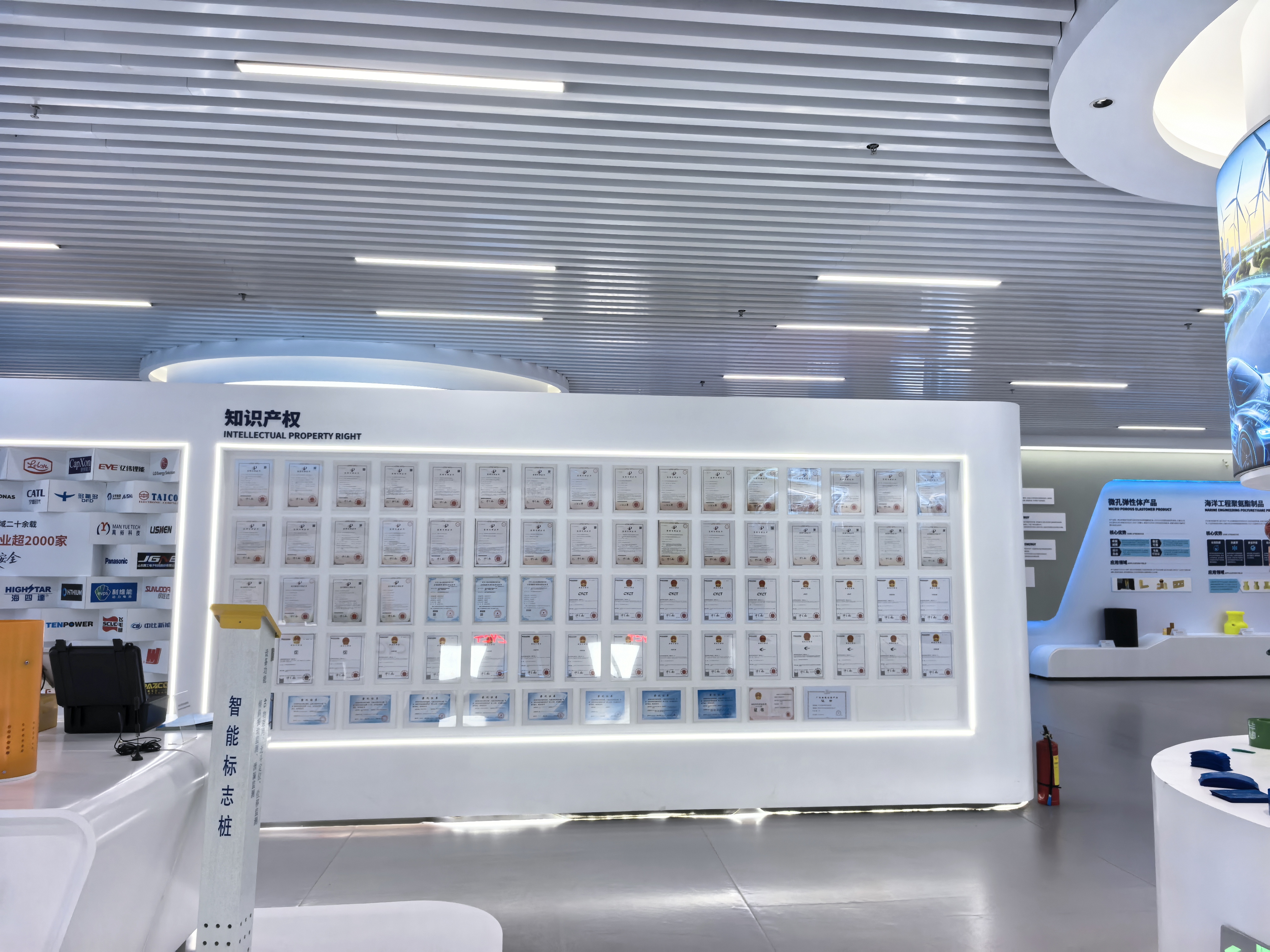
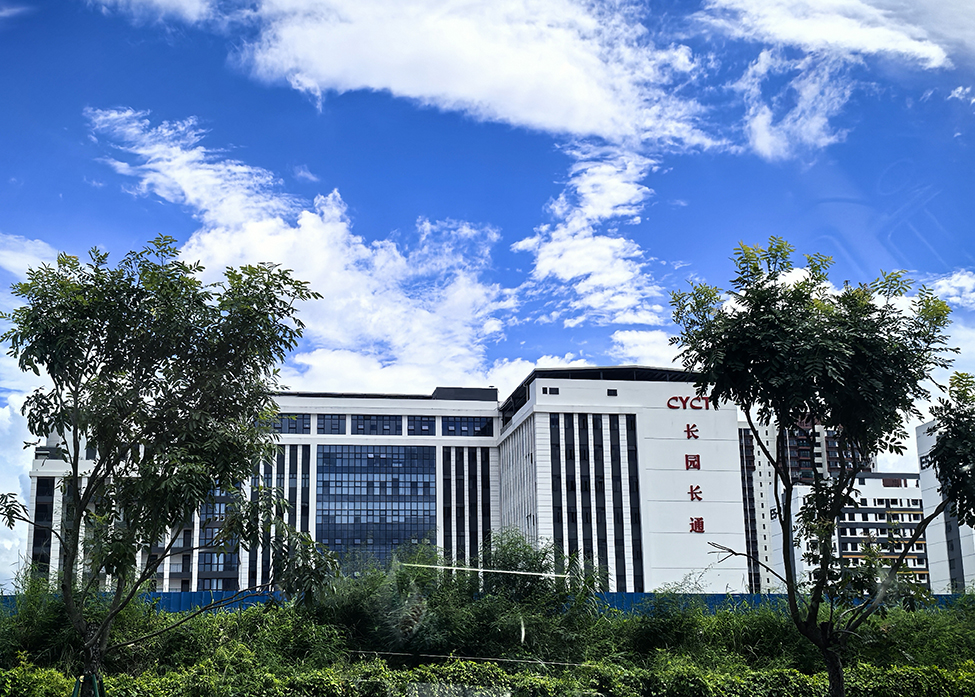
Founded in 2000, CYCT New Materials Company Limited has grown into an international powerhouse in pipeline corrosion protection. Integrating research and development, raw material synthesis, precision manufacturing, and direct engineering application services, CYCT provides verified global safety solutions for critical pipeline assets.
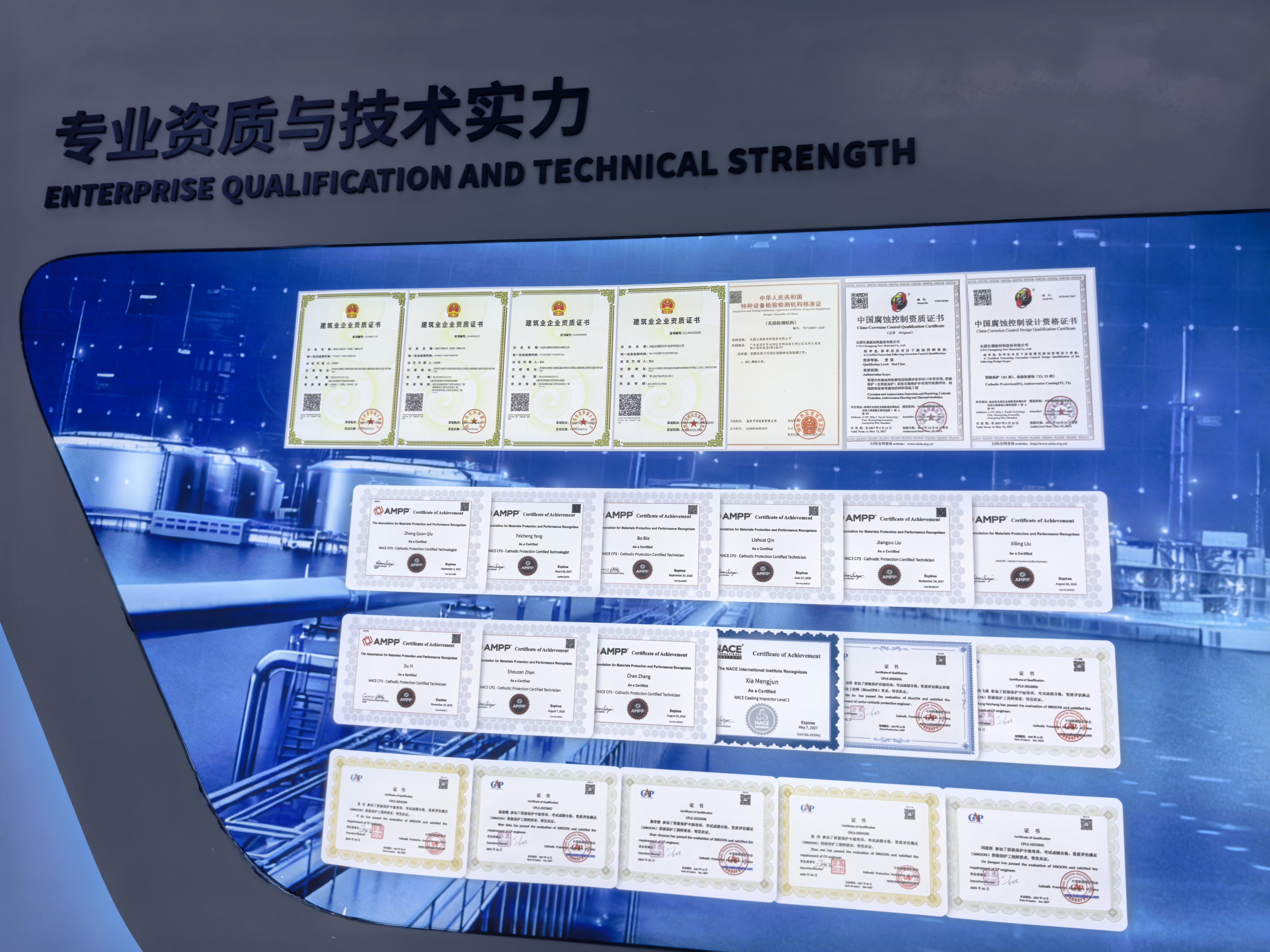
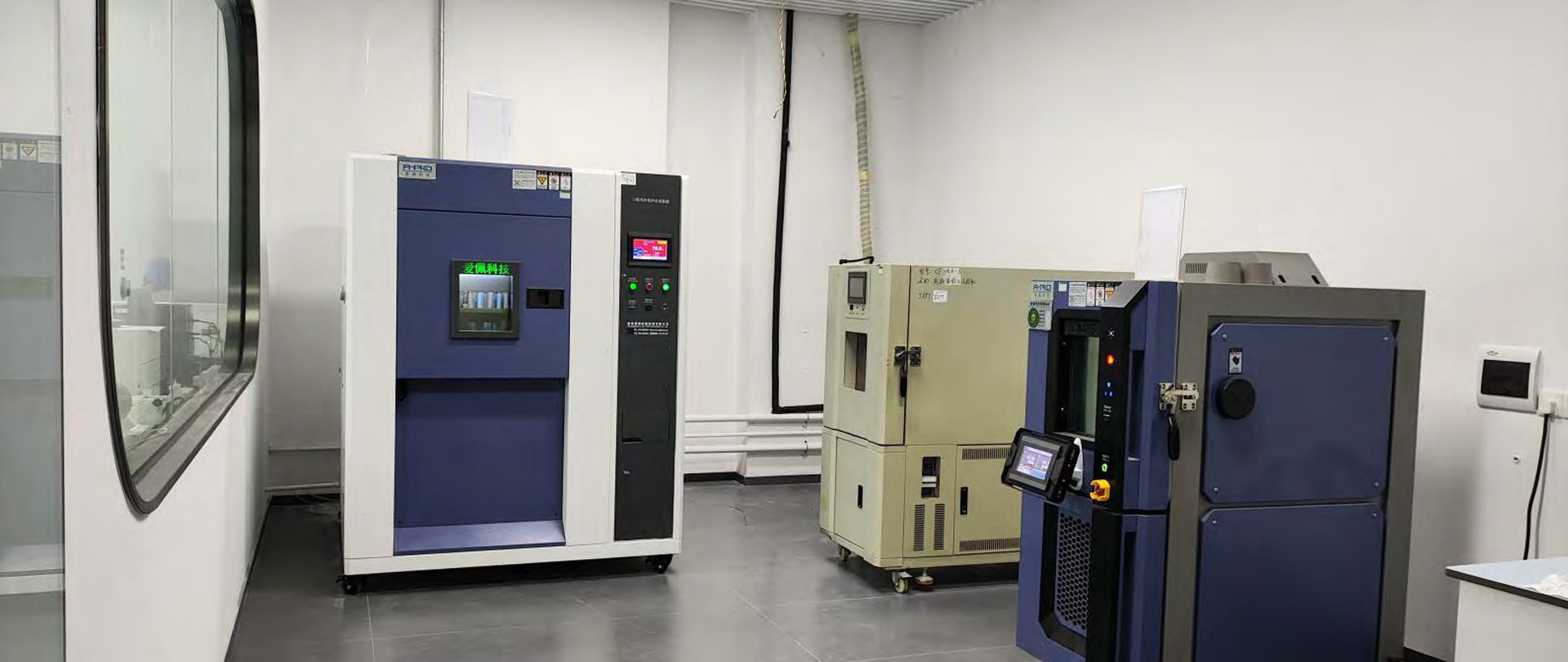
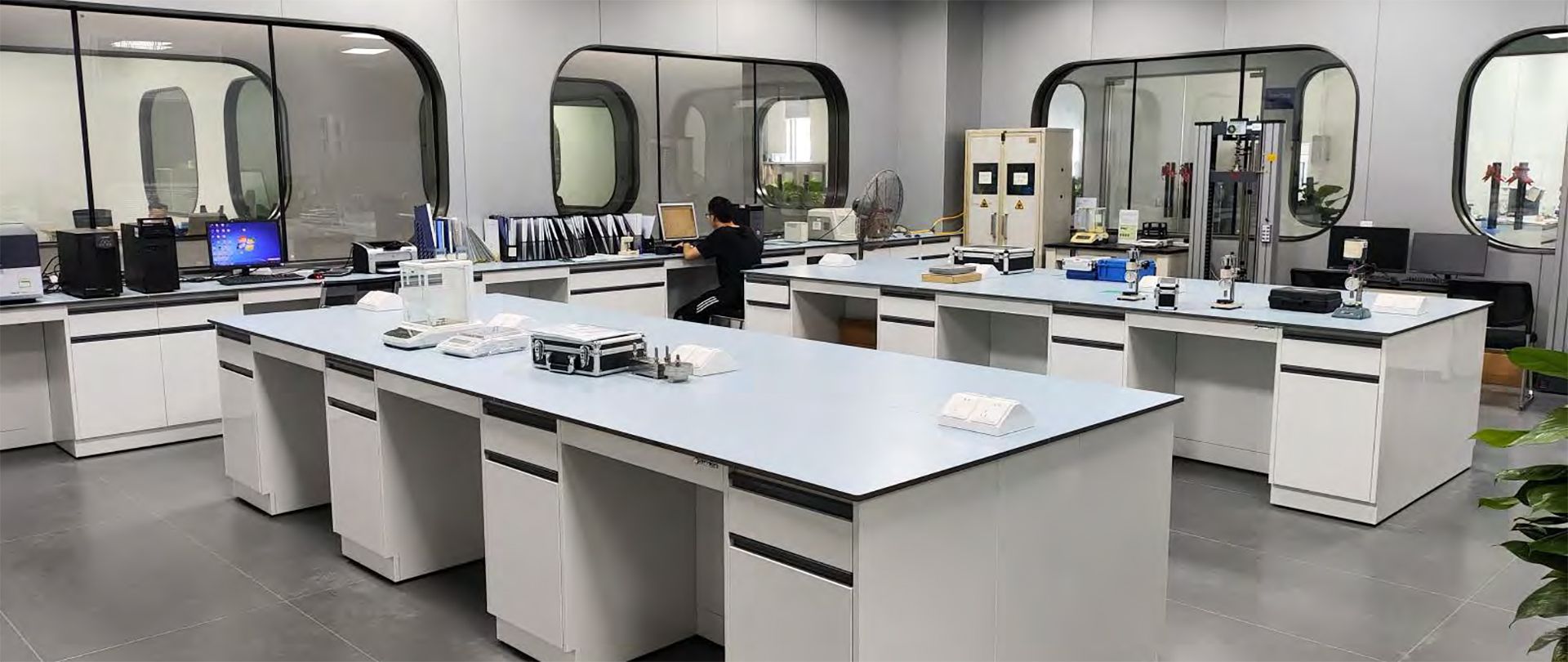
CYCT operates a national CNAS-accredited laboratory, leading industrial testing facilities, and a dedicated team of polymer chemists and corrosion prevention engineers. In strategic technical collaboration with institutions like the CNPC Pipeline Science Research Institute, CYCT delivers targeted, customized protection systems for buried, elevated, and subsea pipelines.
Exploring structural mechanisms, chemical compositions, and field application strategies for extreme industrial environments.
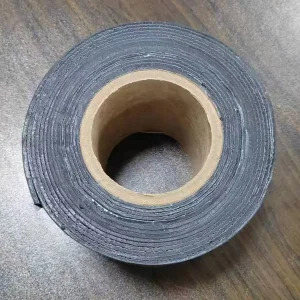
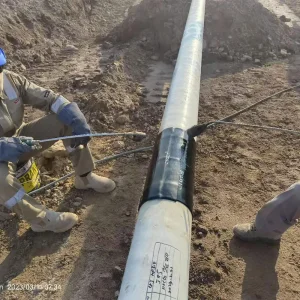
Visco-elastic technology represents a paradigm shift in corrosion control. Operating with permanent viscous fluid properties, the material exhibits continuous cold-flow behavior, enabling it to self-repair mechanical pinholes and micro-fractures. It requires zero primer application and minimal surface preparation (ISO 8501-1 St 2/St 3), ensuring 100% surface wetting and absolute moisture exclusion.
Utilizing high-strength glass fiber fabrics impregnated with UV-reactive photo-polymerized resins, photo-curing sleeves provide unmatched mechanical defense. Ideal for Horizontal Directional Drilling (HDD) trenchless pipeline installations across Sarajevo’s urban and riverbed pathways, GRP sheets rapidly cure under natural sunlight or UV lamps to create an armor shell resistant to abrasion, impact, and soil shear.
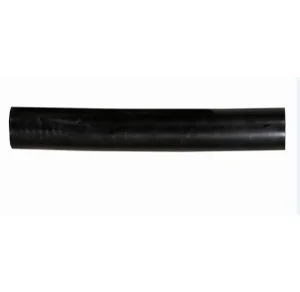
Radiation cross-linking creates a molecular memory within High-Density Polyethylene (HDPE) backing. Combined with heavy-duty hot-melt adhesive or visco-elastic layers, heat-shrinkable wrap-around sleeves (FRDX/FRY series) provide exceptional resistance to cathodic disbondment, environmental stress cracking, and high temperature degradation (up to 85°C operating parameters).
Procuring specialist corrosion protection materials for projects in Sarajevo and the wider Bosnia and Herzegovina market requires full alignment with both local customs frameworks and rigorous European technical standards. CYCT maintains an optimized export-logistics protocol to support contractors, municipal water authorities, and energy utility operators across the Western Balkans.
Certified for oil, gas, municipal water, and marine engineering applications in the Sarajevo region.
Detailed technical answers for corrosion engineers, consultants, and procurement managers in Sarajevo and Western Balkan region.
Sarajevo’s mountainous geology and fluctuating seasonal temperatures subject buried pipelines to significant mechanical movement and shear stress. Traditional mastic tapes rely on pressure-sensitive adhesives that can harden, crystallize, or suffer shear slippage over time. Visco-elastic amorphous polyolefins maintain permanent viscosity and elasticity (-45°C to +95°C), showing zero cold-flow or micro-cracking. Furthermore, visco-elastic materials have self-healing capabilities—if penetrated by a small soil particle, the material flows to re-seal the cavity, guaranteeing 0 mm cathodic disbondment.
HDD trenchless river crossings and urban road underpasses in Sarajevo subject factory-applied 3LPE/3LPP coatings to high gouging and abrasion forces. CYCT Photo-Curing GRP Sleeves act as an outer structural armor layer. Composed of high-modulus glass fibers and photo-polymerizable resin, the sleeve cures within minutes under natural UV exposure to achieve a Barcol Hardness > 50 and Shore D > 85. This layer absorbs severe mechanical shear, ensuring the anti-corrosion barrier underneath remains intact during pulling.
For cross-linked heat shrink sleeves (such as our PP and PE field joint systems), bare steel field joints should be abrasive blast-cleaned to ISO 8501-1 Sa 2.5 standard with an anchor profile of 50–90 µm. The adjacent factory coating must be bevelled and lightly abraded. For remote or rapid-maintenance scenarios where grit blasting is prohibited, CYCT Visco-Elastic Systems can be installed directly over wire-brushed surfaces (St 2 / St 3 cleanliness), saving time and equipment costs on site.
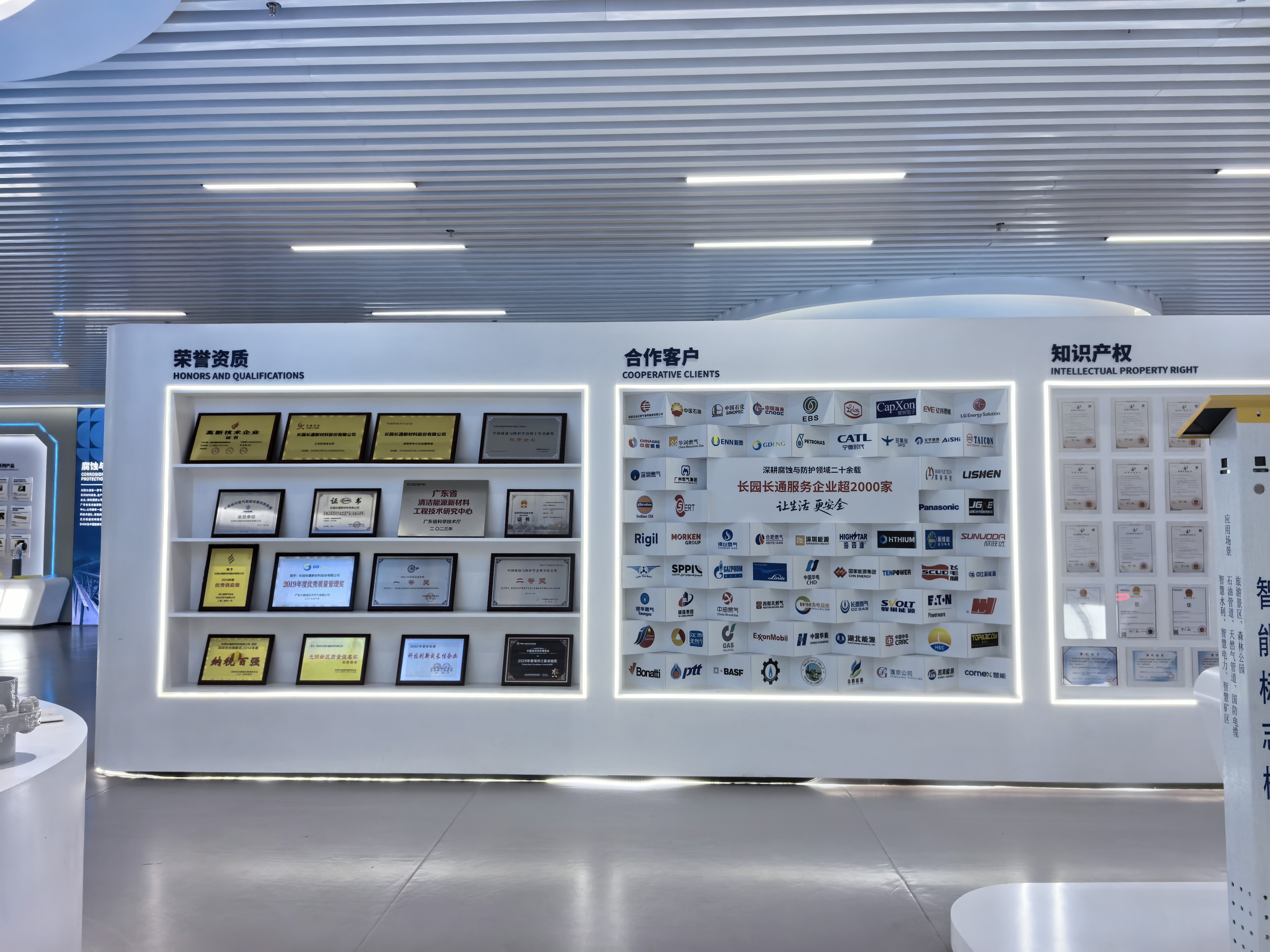
Yes. CYCT is an officially approved supplier to major global energy infrastructure operators, including PetroChina, Sinopec, PipeChina, and Indian Oil Corporation. Our manufacturing facilities operate under ISO 9001 (Quality), ISO 14001 (Environment), and ISO 45001 (Occupational Safety) standards. Products undergo continuous independent testing by CNAS-accredited laboratories and international inspection agencies to confirm full compliance with ISO 21809-3, NACE SP0169, and AMPP criteria.
Standard manufacturing lead times range from 7 to 15 business days depending on volume and customization requirements. Shipments routed through Port of Ploče or direct intermodal rail freight to Sarajevo container terminals generally reach destination within 25–35 days from manufacturing completion. CYCT handles complete export documentation, including Certificate of Origin, Mill Test Certificates (MTC), SDS sheets, and packing lists to facilitate rapid customs clearance.
Absolutely. CYCT manufactures engineered PE repair patches (FRDX series) and PP repair patches customized to specific defect dimensions observed during holiday testing. Patches are supplied alongside specialized high-temperature melt sticks to fill deep pinholes or gouges prior to patch application. This restores the original factory coating integrity to 100% dielectric strength.
Request technical datasheets, full engineering whitepapers, material sample kits, or customized quotation proposals from our technical engineering desk.
 CYCT
CYCT