High-durability pipeline field joint coatings, wrap systems, and heavy-duty structural restrictors engineered for international pipeline systems.
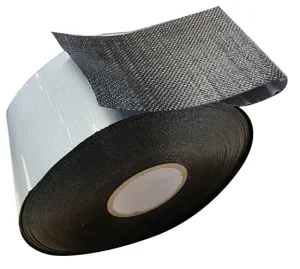
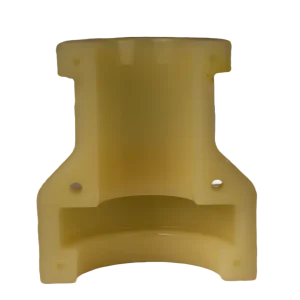
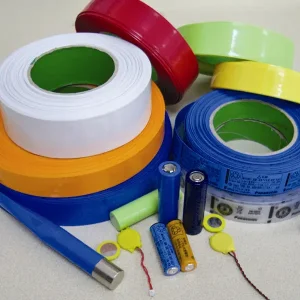
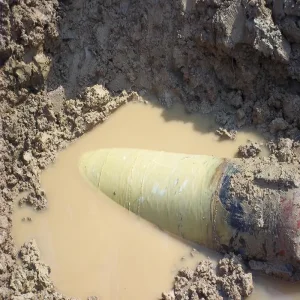
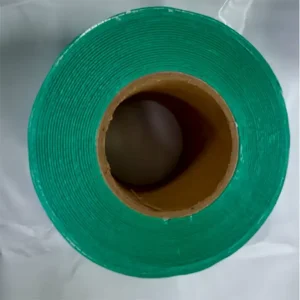
Utilizing high-density, radiation-crosslinked polyethylene (PE) backing, providing heavy mechanical resistance and exceptional tensile strength against soil stress, thermal expansion, and mechanical shear forces during pipeline lifetime.
Equipped with hot-melt copolymer or viscoelastic compounds that physically bond to the underlying steel substrate and mill-applied epoxy primer. Designed to eliminate water migration pathways and achieve high peel strength.
Engineered to satisfy demanding industry requirements (EN 12068 Class C, ISO 21809-3). Fully compatible with 3LPE, 3LPP, FBE, and coal tar enamel coatings for long-term cathodic protection.
In modern pipeline construction, the girth weld area—commonly referred to as the field joint coating (FJC)—is the most vulnerable sector of the entire pipeline network. While mill-applied coatings like 3-layer polyethylene (3LPE) or fusion bonded epoxy (FBE) are manufactured under highly controlled factory conditions, the girth weld field joints are applied under demanding, often hostile ambient conditions. Selecting the appropriate Wraparound Girth Weld Sleeve is critical to avoiding localized corrosion failures, cathodic disbondment, and premature structural pipeline compromise.
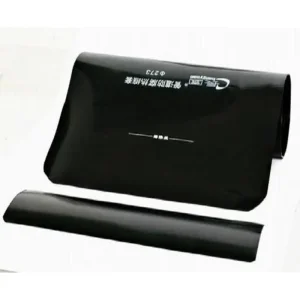
A high-performance wraparound heat-shrinkable sleeve is a multi-layered system designed to replicate the structural integrity of the main line coating. The outer backing is composed of a radiation cross-linked polyolefin (most commonly high-density polyethylene). During manufacturing, the backing is extruded, cross-linked via electron beam radiation, and subsequently stretched under heat. This gives the sleeve its "elastic memory." When heat is applied in the field, the sleeve attempts to shrink back to its original configuration, creating a powerful radial pressure over the girth weld area.
“The fundamental security of a field joint relies not just on the outer polymer shell, but on the chemical interface created by the reactive adhesive layer under thermal pressure.” — Chief Corrosion Specialist, CYCT Engineering
The interior layer consists of a engineered adhesive. In 3-layer systems, a liquid epoxy primer is first applied directly to the blast-cleaned steel substrate (minimum Sa 2.5 cleanliness, with a profile of 50-100 μm). The hot-melt copolymer adhesive on the sleeve then flows under heat to chemically bond with the curing epoxy. In 2-layer systems, a high-shear mastic or viscoelastic compound is used, which conforms to surface irregularities without requiring an epoxy primer. Understanding these differences is paramount for procurement teams optimizing for project speed, ambient climate conditions, and lifetime expectations.
Why global EPC contractors and state-run energy companies choose Chinese manufacturing centers for pipeline corrosion prevention systems.
China has established itself as the global epicenter for pipeline material engineering. Chinese factories, particularly state-level high-tech enterprises like CYCT, have revolutionized the field joint coating industry by combining end-to-end raw material control, domestic scientific research, and advanced automation.
Unlike regional converters, major Chinese factories manage the complete synthesis of hot-melt adhesives, viscoelastic polymers, and cross-linked polyolefins under one roof. This vertical integration allows for precise customization of physical properties, such as thermal resistance levels ranging from 50°C to 80°C (and up to high-temperature PP systems), guaranteeing consistency across vast manufacturing runs.
By forging long-term collaborative partnerships with leading research institutions—such as the CNPC Pipeline Science Research Institute—Chinese manufacturers ensure that their products are engineered to solve actual site failures. R&D efforts are guided by real-world field feedback from major cross-continental gas pipelines, resulting in sleeves designed to withstand harsh installation scenarios like Horizontal Directional Drilling (HDD) and deepwater pipeline laying.
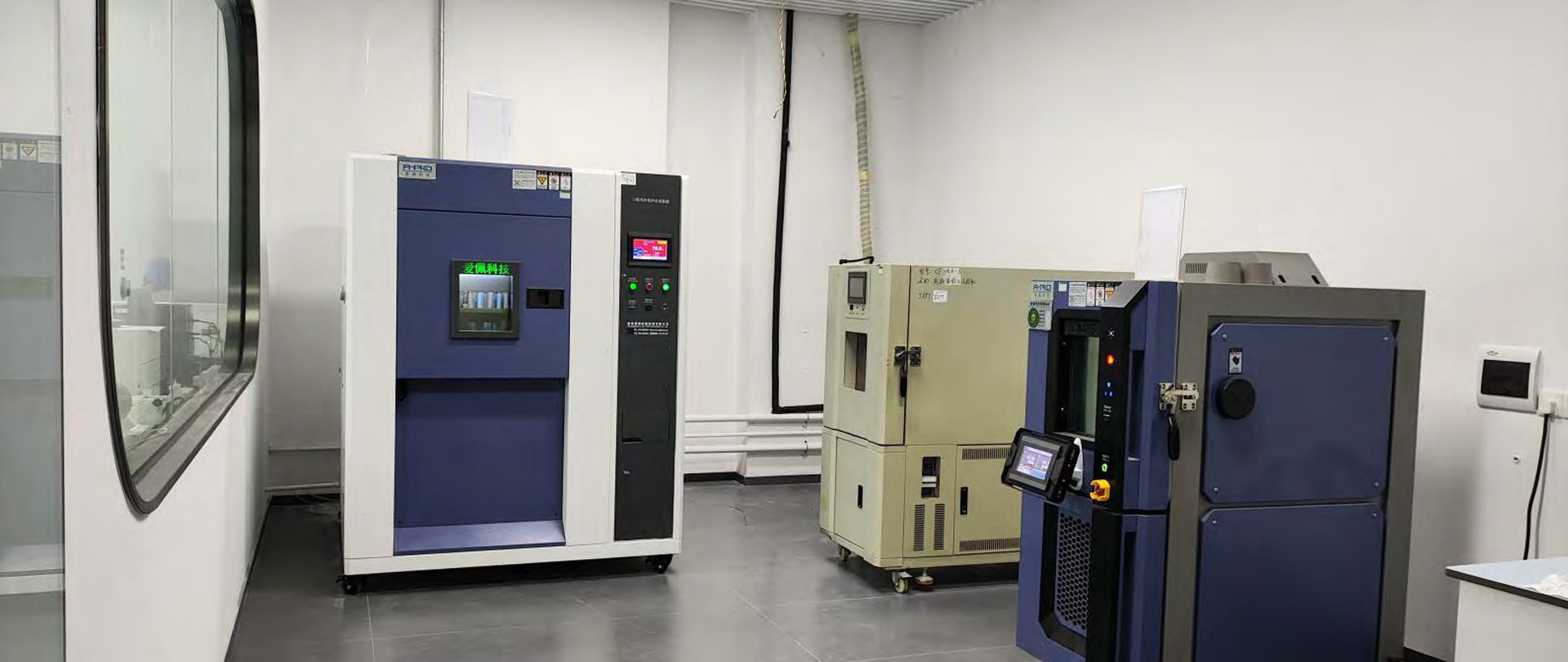
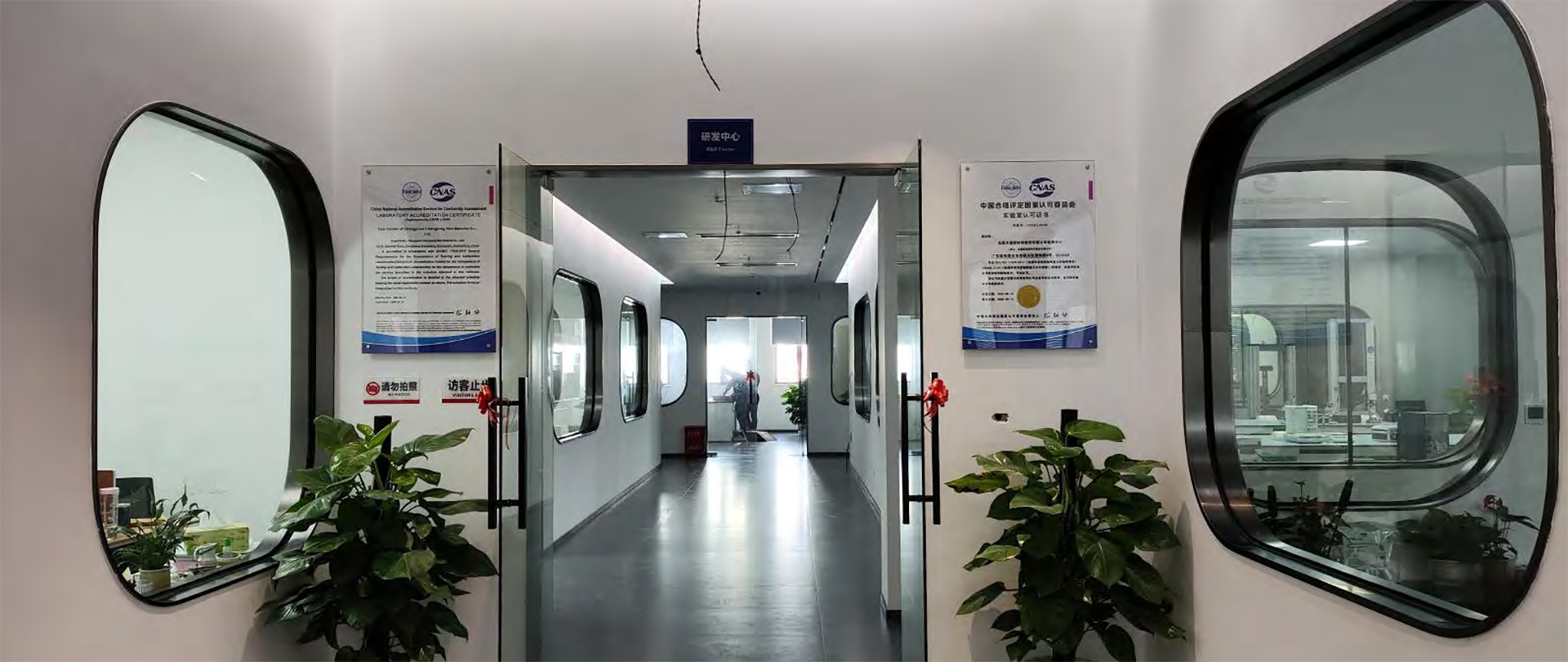
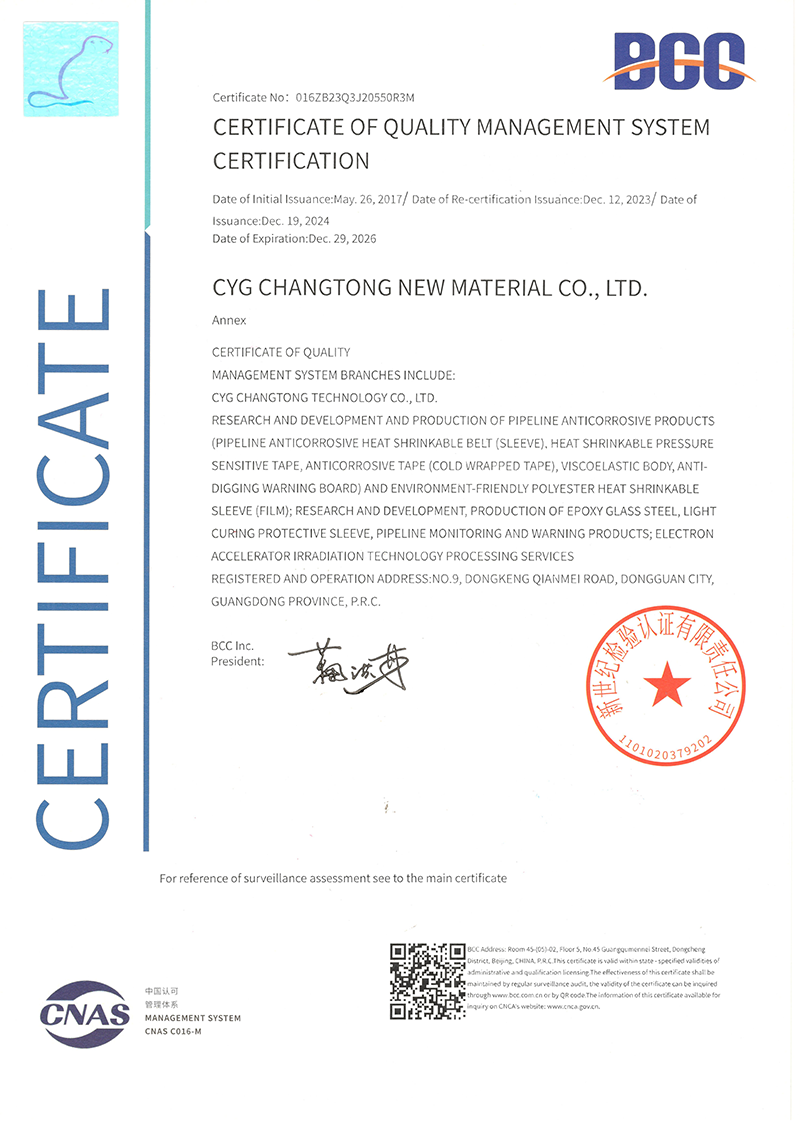
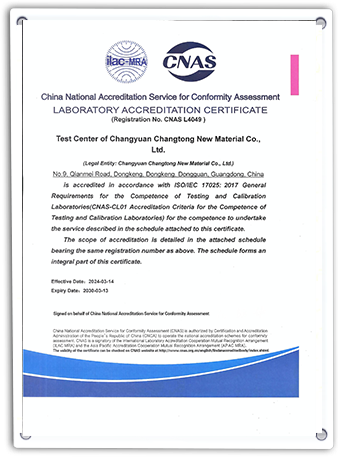
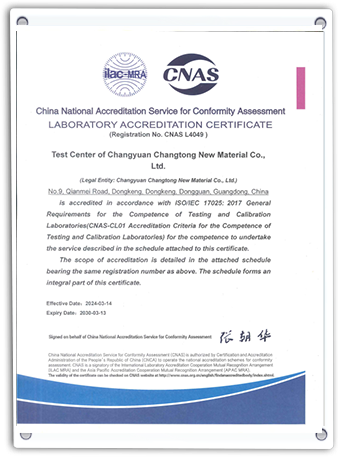
Compliance is the backbone of reliability. Prominent Chinese factories feature national CNAS-accredited laboratories, allowing for rapid testing of tensile strength, peel strength, shear resistance at temperature, cathodic disbondment resistance, and hot water immersion testing. This guarantees that every batch shipped to international ports is accompanied by reliable, auditable test reports verifying compliance with international standards.
Integrating R&D, production, sales, buried pipeline detection, and pipeline coating field application service into one cohesive entity.
CYCT New Materials Company Limited (for short, CYCT) is a state-level high-tech enterprise integrating R&D, production and sales of pipeline corrosion protection materials as well as buried pipeline detection service and pipeline coating field application service into one. CYCT devotes itself to R&D, production and sales of pipeline corrosion protection materials for decades.
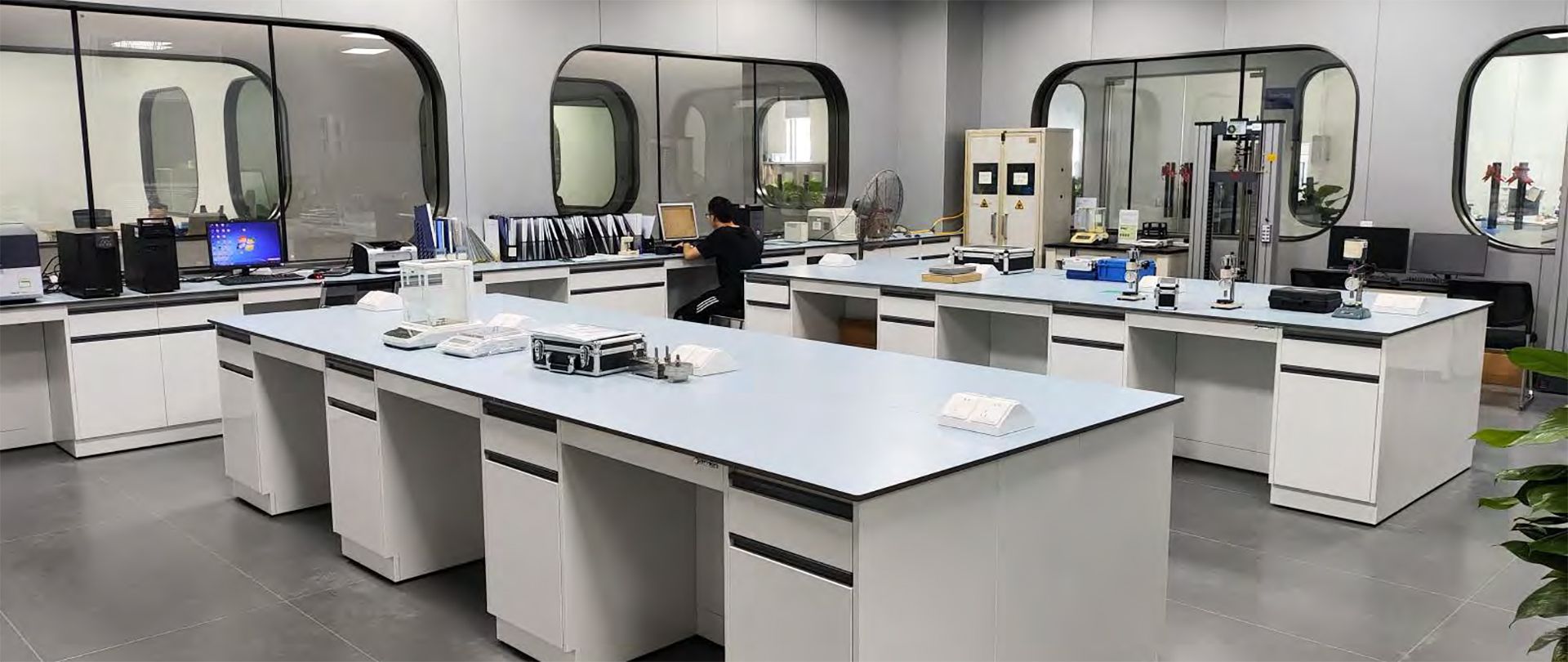
CYCT owns leading testing and R&D capabilities, a professional R&D team, and a national CNAS-accredited laboratory. Over years of development, CYCT has become a stable supplier of field joint coatings in PetroChina, Sinopec, PipeChina and local pipelines, commanding an exceptionally high market share. Furthermore, CYCT has successfully developed and introduced a number of specialty corrosion protection materials such as visco-elastic anticorrosion materials, special photo-curing sleeves for HDD protection, and polyurea coatings.
By maintaining strong cooperation with leading R&D institutes such as the CNPC Pipeline Science Research Institute, CYCT is capable of providing in-service pipelines with varied technical services, including buried pipeline detection, custom design schemes, cathodic protection, rehabilitation projects, and an integrated solution for the safety protection of pipelines.
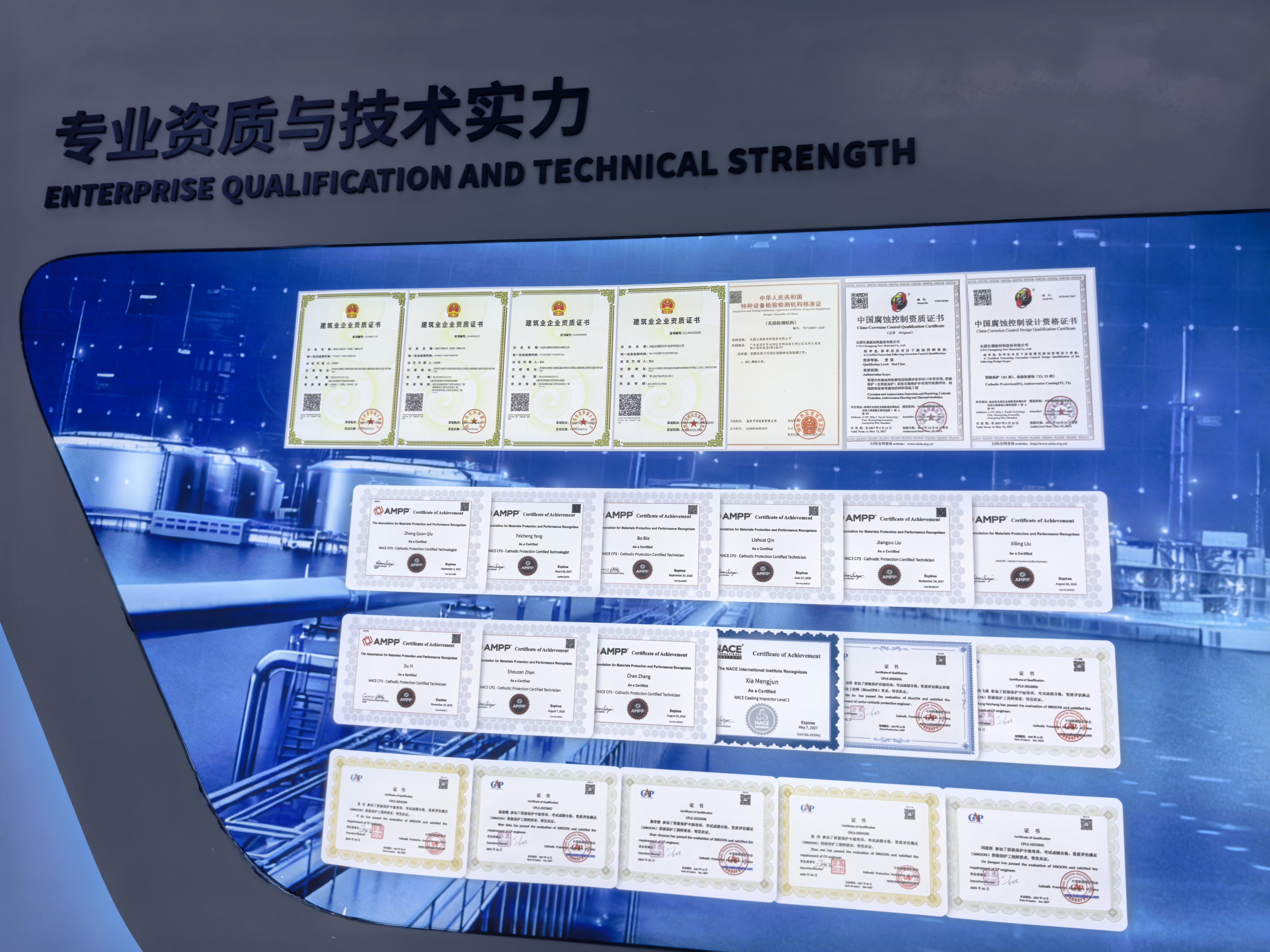
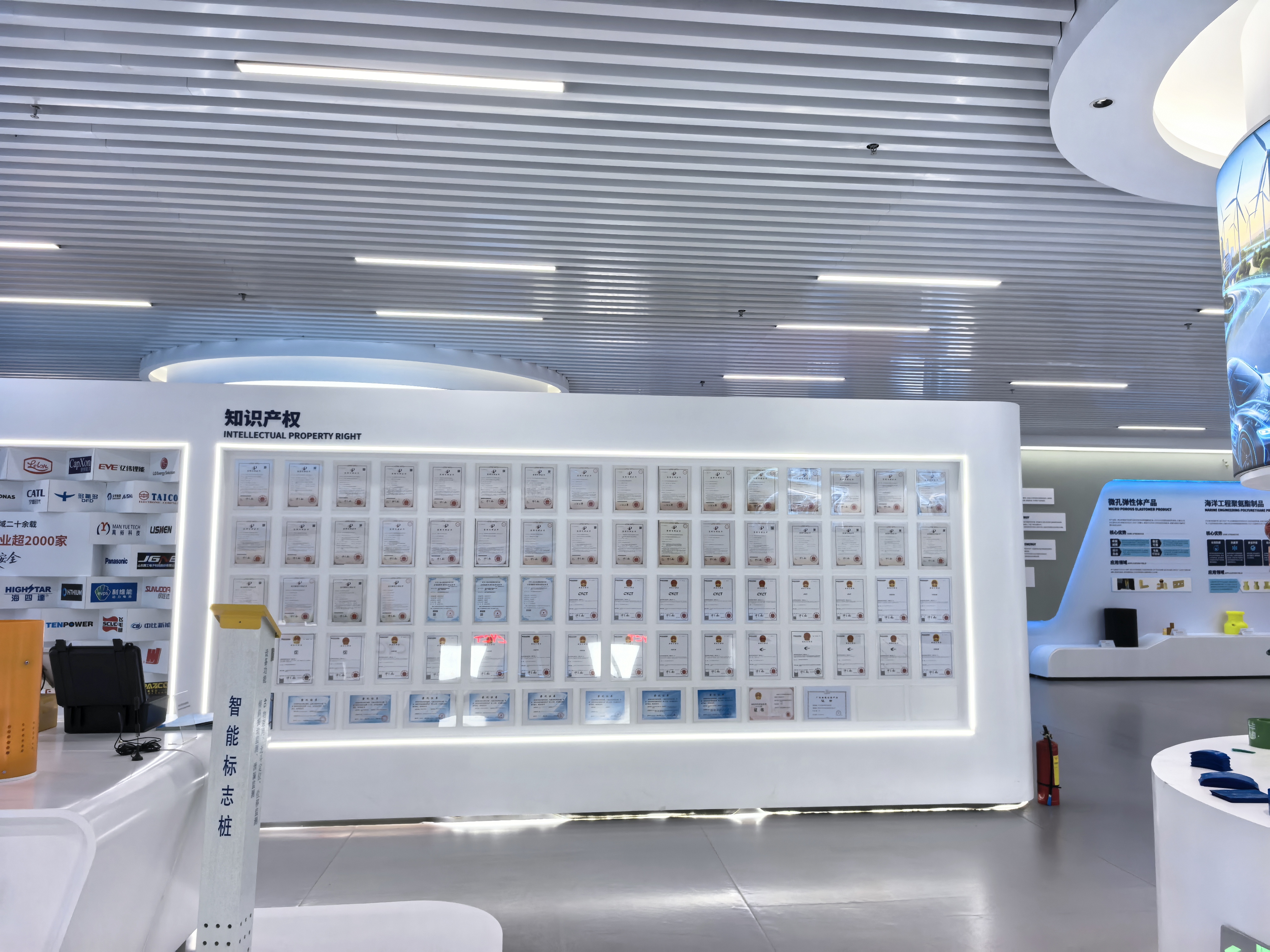
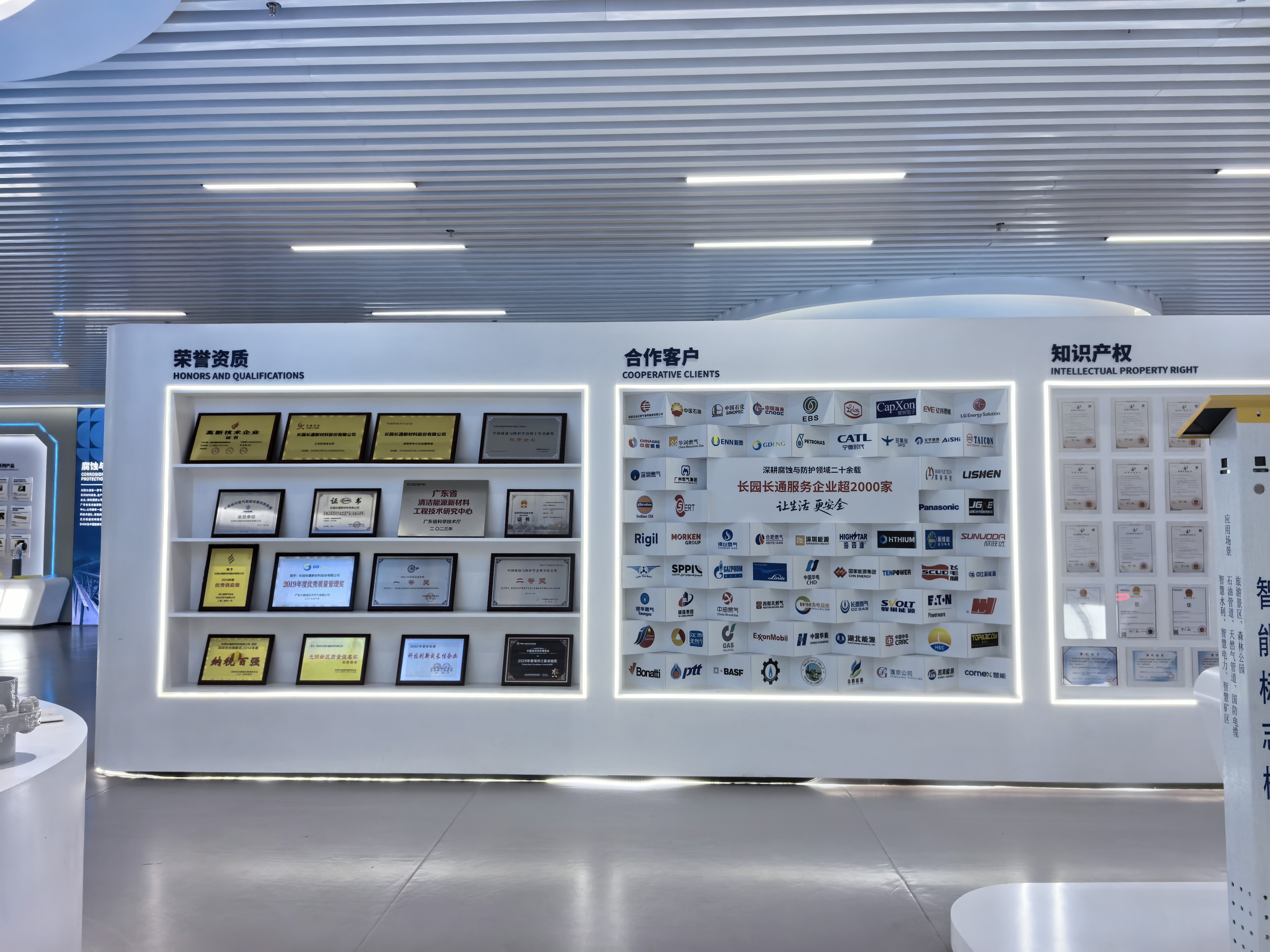
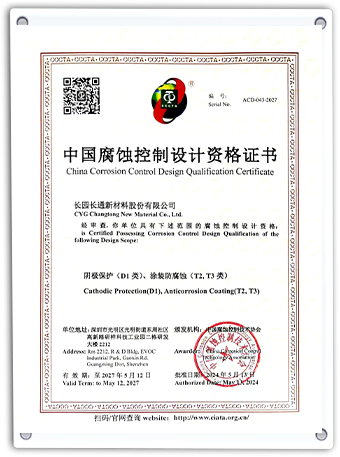
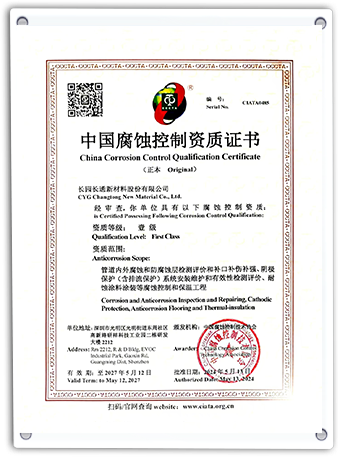
Member of Council in Chinese Society for Corrosion and Protection (CSCP), Qualification Certificate of Corrosion Protection Construction, Qualification Certificate of Pipeline Detection, Well-known Brand of Pipeline Corrosion Protection in China, Corporate Member of China Association of Petroleum Engineering Construction (CAPEC), State-Level High-Tech Enterprise with more than ten proprietary intellectual property rights. Stable supplier of PetroChina, Sinopec, China Gas Group, and Supplier of Indian Oil.
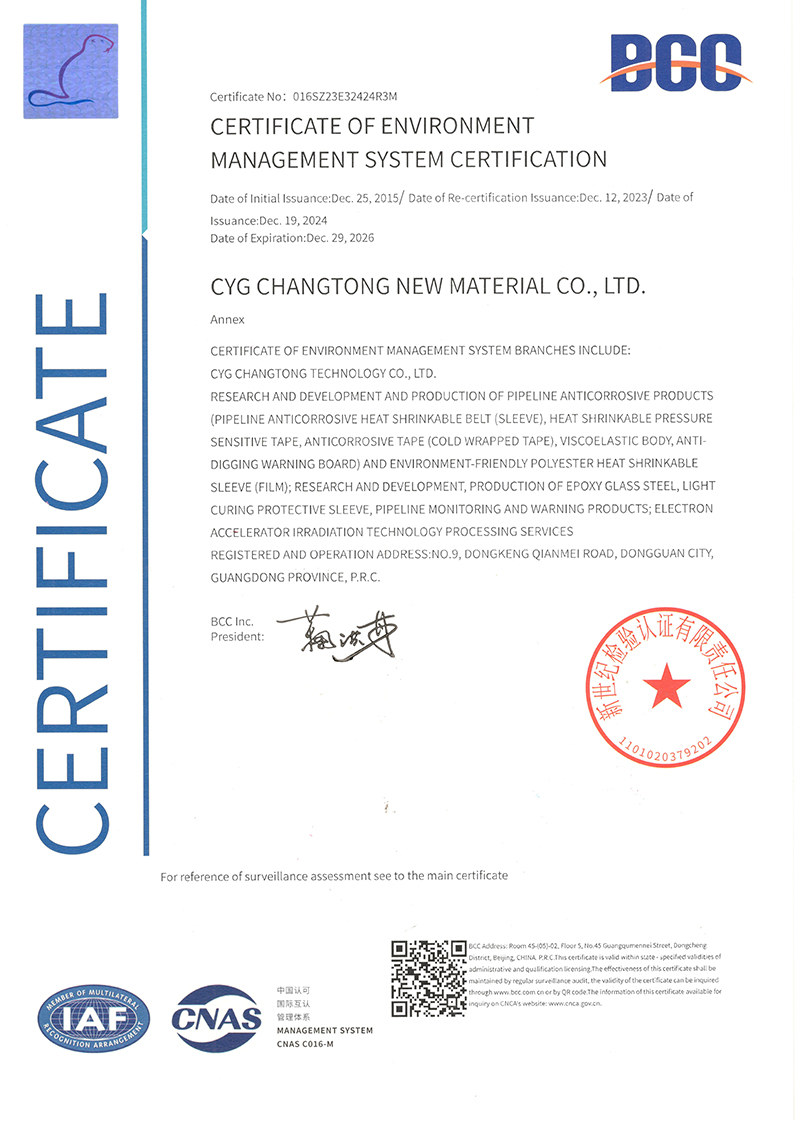
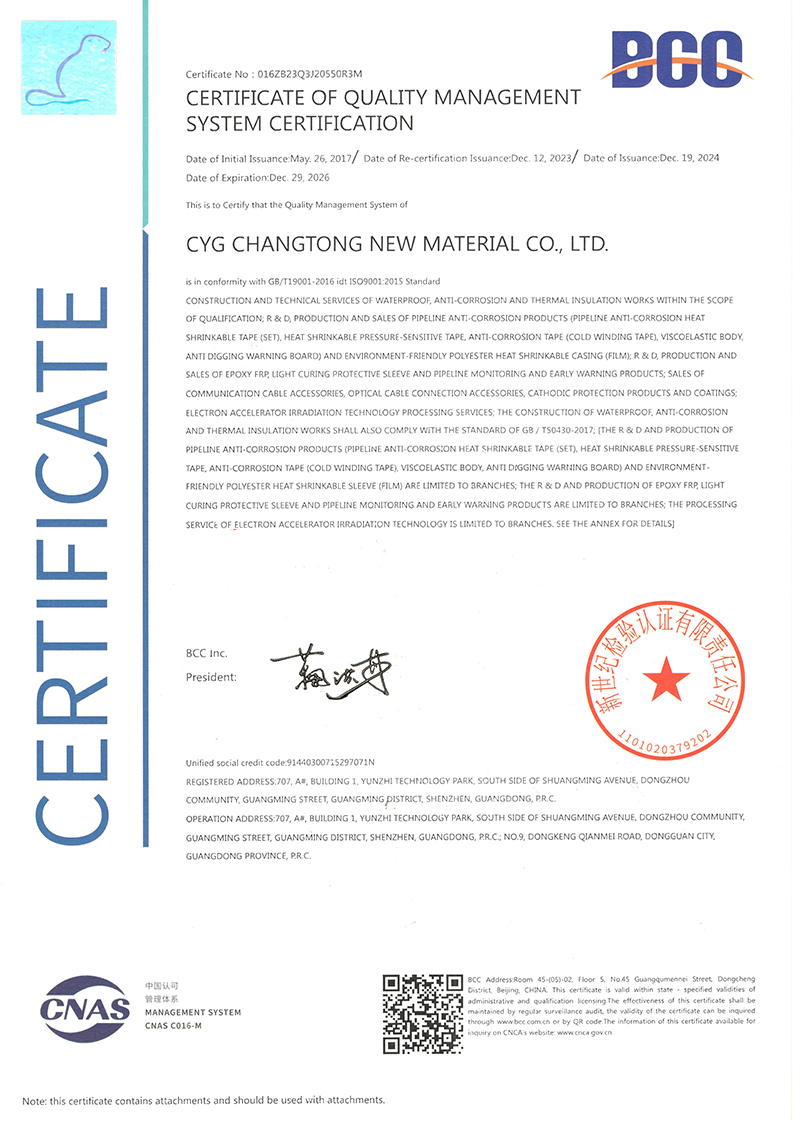
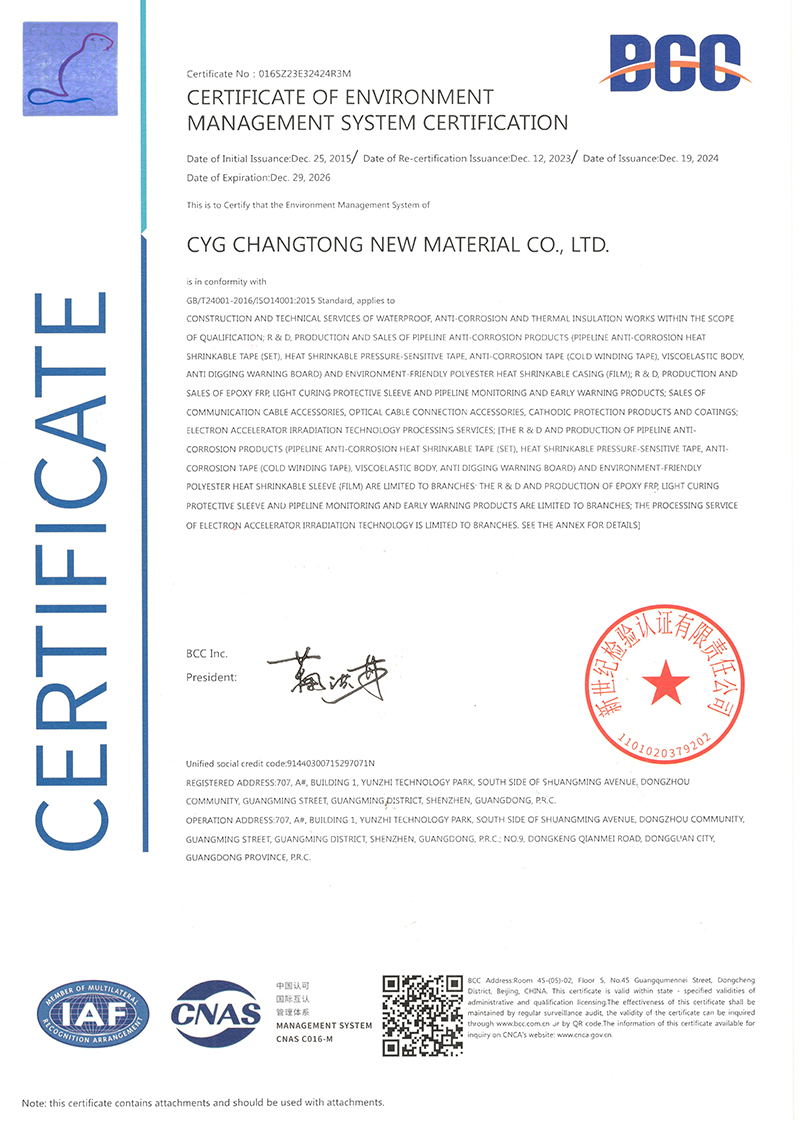
Critical considerations for international procurement directors managing pipeline construction projects and sourcing from Chinese factories.
In global pipeline infrastructure procurement, selecting the cheapest product without analyzing the underlying material specs is a direct path to field joint failure. Girth welds are subject to complex structural shifts, groundwater ingress, and varying heat profiles. Standardized procurement should center on three main pillars:
Procuring agents must strictly matching the sleeve's continuous operating temperature with the pipeline's designed service temperature. E.g., using standard 50°C-rated sleeves on lines that run at 70°C will trigger progressive adhesive breakdown and disbondment. CYCT offers varying sleeve systems specifically engineered to perform up to 80°C (FRDP series) and 3LPP-compatible hot melt systems for high-temperature demands.
For buried pipelines, clay soil expands and contracts with moisture variations. This exerts constant shear stress on the field joint coating. Standard EN 12068 classifies protection levels as Class A, B, or C. Under critical loads, Class C (offering the highest resistance to mechanical penetration, impact, and soil stress) is necessary. Ensure your supplier provides certified testing for impact resistance, indentation resistance, and specific peel strength on steel after 100 days of water immersion.
When pipes are pulled through rock formations and muddy channels during HDD crossings, traditional heat-shrinkable sleeves can peel or get torn away. Procurement directors should prioritize high-strength combinations: incorporating a sacrificial fiberglass-reinforced polymer (FRP) coating system over the primary heat-shrinkable sleeve. This provides heavy mechanical shielding while keeping the primary corrosion prevention seal intact.
Expert technical answers regarding design, installation, procurement, and testing of pipeline field joint coatings.
Explore our full range of viscoelastic materials, repair patches, and specialized heat-shrink solutions manufactured in our ISO-certified facilities.
 CYCT
CYCT